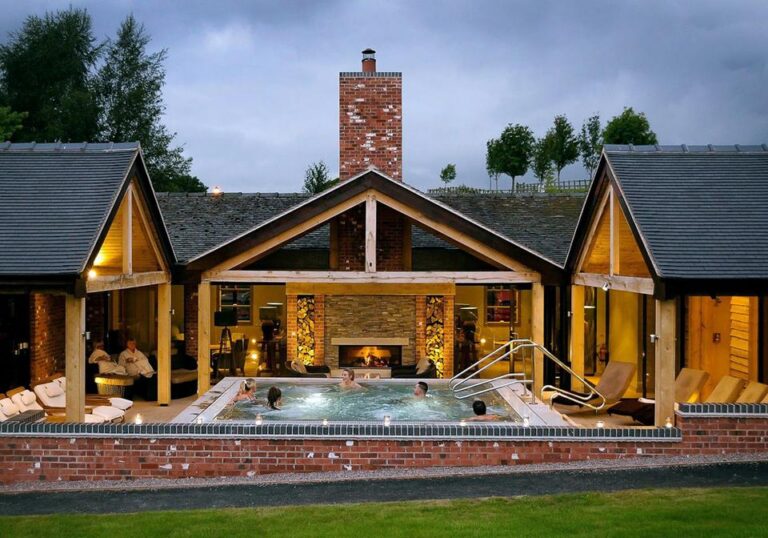
Top Spa Retreat Plans: 2026 Somatic & Aesthetic Guide
The professionalization of the modern spa retreat has undergone a radical transformation, moving away from the “pampering” cliches of the late 20th century toward a sophisticated model of clinical aesthetics and somatic recovery. In 2026, the global spa industry is no longer defined by superficial relaxation; it is driven by “Biological Optimization.” As the boundary between medical facilities and luxury wellness centers continues to blur, the selection of a program has become a high-stakes audit of “Therapeutic Intent.” Individuals are increasingly seeking environments that serve as a “Systemic Reset” for the nervous system, skin microbiome, and musculoskeletal architecture.
Navigating this terrain requires an analytical shift from viewing a spa as a series of disparate treatments to viewing it as a “Coherent Somatic Architecture.” For the discerning individual, the value of a retreat is found in its “Interventional Depth,” the ability to coordinate hydrotherapy, thermal cycles, and manual therapies into a singular, evidence-based trajectory. The goal is “Adaptive Homeostasis,” the body’s ability to maintain internal stability in the face of external stressors. This move toward “High-Acuity Spa Care” marks the rise of the “Clinical Sanctuary,” where aesthetic outcomes are seen as the natural byproduct of internal physiological health.
Success in this arena is predicated on the transition from a passive recipient of “treatments” to an active participant in “Somatic Literacy.” The objective is “Long-Term Tissue Resilience,” the ability to maintain skin integrity, lymphatic flow, and joint mobility long after returning to a high-pressure urban environment. This editorial reference provides the intellectual scaffolding necessary to evaluate the top spa retreat plans, moving beyond the marketing gloss to audit the technical rigor, pharmacological quality, and operational maturity of the world’s most advanced recovery destinations.
Understanding “top spa retreat plans.”
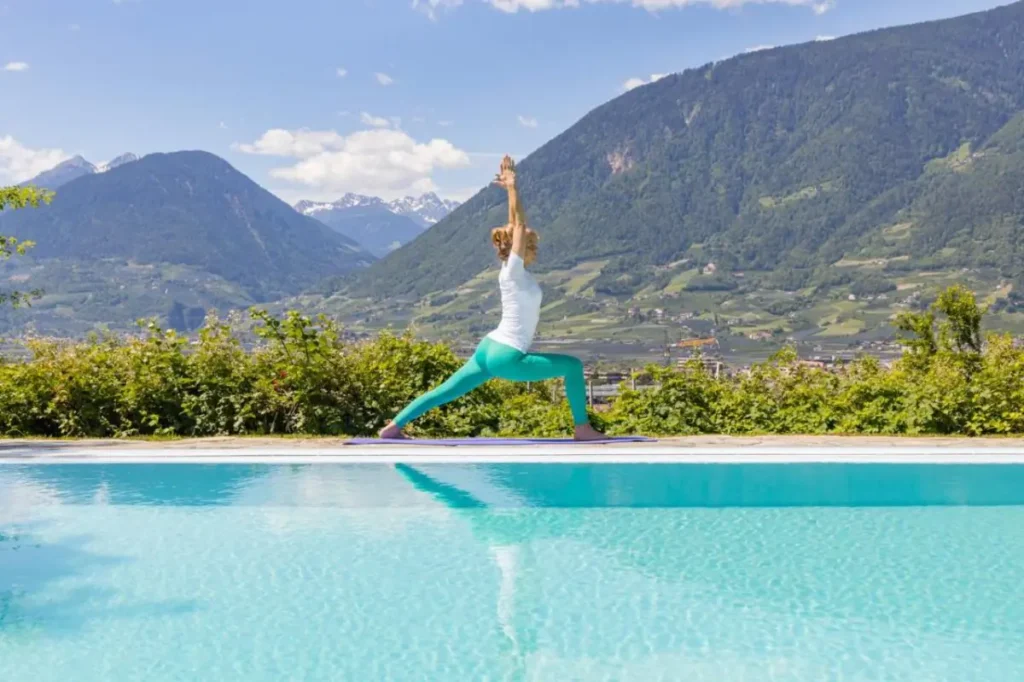
To define the top spa retreat plans is to analyze the intersection of “Traditional Balneology” and “Molecular Aesthetics.” In a professional editorial context, a spa plan is not a menu of massages; it is a “Somatic Protocol.” It accounts for the interplay between thermal stress (saunas/cold plunges), mineral absorption (balneotherapy), and manual manipulation (massage/osteopathy).
Multi-Perspective Explanation
From a Dermatological Perspective, these plans are characterized by “Microbiome Preservation.” They move away from aggressive chemical peels toward “Pre-biotic and Pro-biotic Topical Interventions” that fortify the skin barrier. Operationally, the value lies in “Synchronized Care,” where a lymphatic therapist, an aesthetician, and a nutritionist work in an “Interdisciplinary Loop” to address a single goal, such as chronic inflammation or hormonal skin changes. top spa retreat plans. From a Neuro-Biological Perspective, the hallmark of a top-tier plan is “Vagal Tonin,g” the intentional stimulation of the vagus nerve through specific hydrotherapy temperatures and rhythmic manual pressure to shift the guest into a state of “Deep Parasympathetic Dominance.”
Oversimplification Risks
The primary risk in the current market is “Ingredient-Led Marketing.” A facility may boast about “Gold-Infused Facials” or “Diamond Dust Scrubs,” but if those ingredients lack a delivery mechanism to penetrate the dermis, they are merely “Cosmetic Theater.” An oversimplified view fails to distinguish between “Hospitality Spas” (designed for enjoyment) and “Interventional Spas” (designed for change). Furthermore, the “Aesthetic Bias” often leads individuals to select retreats based on the architecture of the steam room rather than the “Clinical Grade” of the thermal waters or the “Manual Dexterity” of the specialized practitioners.
Contextual Background: The Evolution of Thermalism and Recovery
The history of the spa has moved from the “Sanitas Per Aquam” (Health through Water) of the Roman Empire to the “Medical Balneology” of 2026. Initially, spas were civic centers for social hygiene and basic recovery. During the 19th century, the “Grand European Spa” era introduced a rigorous medical oversight to the waters of places like Baden-Baden and Vichy, where physicians prescribed specific mineral compositions for various ailments.
In the modern landscape of top spa retreat plans, we have entered the era of “Epigenetic Aesthetics.” This shift is driven by a realization that external appearance is a “Lagging Indicator” of internal metabolic health. The leading spa retreats now utilize “Skin-Genome Mapping” to determine which botanical extracts will most effectively upregulate collagen production at a cellular level. This move represents a departure from “Masking” toward “Modeling,” where the goal is to remodel the tissue from the inside out using a combination of thermal stress, mineral density, and precision manual therapy.
Conceptual Frameworks for Somatic Restoration
Strategic evaluators use specific mental models to look past the surface of a spa intervention.
1. The “Autonomic Balance” Model
This framework posits that health is the body’s ability to oscillate effectively between the sympathetic (fight/flight) and parasympathetic (rest/digest) nervous systems. A top plan utilizes “Contrast Hydrotherapy” to train the nervous system to remain “Elastic” under pressure. The limit of this model is its high physical demand; it requires a certain baseline of cardiovascular health.
2. The “Lymphatic Clearance” Logic
In this framework, the body’s health is dependent on the “Fluid Dynamics” of the lymphatic system. Since the lymph has no pump, it requires external manipulation (movement and manual drainage). A successful retreat is seen as a “Plumbing Reset,” clearing metabolic waste from the interstitial fluid to allow for better cellular nutrient uptake.
3. The “Hormetic Aesthetic” Framework
This model suggests that the skin and muscles respond best to “Positive Stressors.” By applying controlled heat, cold, and pressure, the body triggers a “Stress-Response Protein” reaction that leads to tighter skin and denser muscle fiber. It is the “Growth Through Challenge” philosophy applied to the dermis.
Key Categories of Spa Retreat Variations
Navigating the global market involves matching the “Tissue Goal” of the individual to the “Interventional Bias” of the facility.
| Plan Category | Primary Mechanism | Significant Trade-off | Typical Use Case |
| Medical Balneology | Mineral-rich thermal waters. | Specific sulfur/salt odors. | Psoriasis; Joint pain; Eczema. |
| Aesthetic Clinical | Laser, Radiofrequency, Peel. | Potential downtime/redness. | Anti-aging; Pigmentation. |
| Somatic Recovery | Deep manual therapy: Fascia. | Can be physically intense. | Chronic tension; Post-surgical. |
| Thalassotherapy | Seawater; Seaweed; Silt. | Requires a coastal location. | Remineralization; Cellulite. |
| Ayurvedic Spa | Warm oils; Herbal bolus. | Less focus on modern tech. | Nervous system exhaustion. |
| Technological Spa | Cryotherapy; Infrared; LED. | Can feel overly “sterile.” | Rapid recovery; Bio-hacking. |
Detailed Real-World Scenarios and Decision Logic
The “Chronic Inflammatory” Profile
A 42-year-old with persistent skin redness, joint stiffness, and high cortisol levels.
-
The Decision Logic: Selection of a “Medical Balneology” plan in a sulfur-rich region.
-
Analysis: The minerals in the water act as a “Biological Buffer,” cooling systemic inflammation through skin absorption.
-
Outcome: The skin barrier is restored, and joint mobility increases because the “Plan” addressed the “Internal Heat” through mineral saturation.
The “Collagen Depletion” Crisis
An individual in their mid-50s seeking non-surgical lifting and skin thickening.
-
The Decision Point: A standard “Luxury Facial” vs. a “Hormetic Aesthetic” plan using radiofrequency and micro-needling.
-
Outcome: The individual chooses the Hormetic plan, recognizing that “Mechanical Insult” is required to trigger the “Wound-Healing Response” that generates new collagen.
Planning, Cost, and Resource Dynamics
The “Economic Floor” of a high-end spa retreat is determined by “Pharmacological Quality” and “Practitioner Experience.”
Spa Retreat Price Tiers (2026 Estimates)
| Tier Level | Daily Rate (Est.) | Practitioner Grade | Product Quality |
| Clinical Flagship | $1,200 – $2,500 | Medical Doctors/Aestheticians. | Prescription-grade/Ozone. |
| Luxury Wellness | $600 – $1,100 | Certified Therapists. | High-end botanical/Organic. |
| Destination Spa | $350 – $550 | General Spa Staff. | Mid-market professional. |
| Day/Resort Spa | $150 – $300 | Varied. | Commercial grade. |
Tools, Strategies, and Support Systems
A rigorous vetting strategy requires a “Validation Stack” to ensure the spa plan is “Systemically Sound”:
-
Water Mineral Content Analysis: Verifying the “Parts Per Million” (PPM) of magnesium, sulfur, and lithium in the thermal pools.
-
Manual Lymphatic Drainage (MLD): Ensuring practitioners are “Vodder-Certified,” a gold standard for lymphatic manipulation.
-
Contrast Hydrotherapy Protocols: Auditing the specific temperature differentials used in the “Sauna-to-Ice” cycles.
-
Topical Bio-availability: Checking if the products used utilize “Liposomal Delivery” systems to bypass the stratum corneum.
-
Dermal Ultrasound: High-end centers now use ultrasound to “See” the thickness of the dermis before and after the retreat.
-
Ozone Therapy Integration: Using medical-grade ozone in steam or topical applications for its antimicrobial and oxygenating properties.
-
Fascial Release Tools: Integrating specialized stainless steel or wooden tools to break down “Adhesions” in the connective tissue.
Risk Landscape and Failure Modes
The “Taxonomy of Spa Risk” includes:
-
The “Surface-Only” Error: Spending thousands on facials while maintaining a high-sugar diet and poor sleep, which neutralizes the aesthetic gains.
-
The “Hydro-Shock” Risk: Over-exposure to high-heat saunas or extreme cold plunges in individuals with underlying cardiovascular “Fragility.”
-
The “Microbiome Wipeout”: Over-exfoliation or excessive use of antimicrobial “detox” products that kill beneficial skin flora.
-
The “Temporary Elasticity” Illusion: Mistaking the temporary “Plumping” effect of a hydration facial for long-term structural change.
Governance, Maintenance, and Long-Term Adaptation
A successful stay is a “Tissue-Maintenance” project, not a one-off weekend.
-
The “72-Hour Barrier Rule”: Avoiding aggressive pollution and heavy makeup for three days post-retreat to allow the “Acid Mantle” to stabilize.
-
The “Temperature Maintenance” Strategy: Using cold showers at home to maintain the “Vagal Tone” established during the retreat.
-
Governance Checklist:
-
Is the “Home-Care Kit” based on the retreat’s “Skin Analysis”?
-
Has a “Lymphatic Movement” (e.g., rebounding) been added to the daily routine?
-
Are the “Mineral Supplements” aligned with the retreat’s “Balneology Report”?
-
Is there a scheduled “Deep Tissue Review” every 90 days?
-
Measurement, Tracking, and Evaluation
How do you measure the “Somatic ROI” of a spa immersion?
-
Leading Indicators: “Skin Elasticity” (snap-back test); “Lymphatic Swelling” reduction (morning puffiness); “Autonomic Recovery” (HRV scores).
-
Qualitative Signals: A reduction in “Sensory Irritability”; increased “Tactile Sensitivity”; the disappearance of “Post-Prandial Bloating.”
-
Documentation Examples: The “Skin Map”—a digital photographic record of pigmentation, pore size, and vascularity taken at the beginning and end of the retreat.
Common Misconceptions and Oversimplifications
-
“Spas are for Pampering”: False. In 2026, they are for “Structural and Biological Restoration.”
-
“Hotter is Better”: False. Excessive heat can cause “Telangiectasia” (broken capillaries) and systemic inflammation if not balanced.
-
“Organic Always Means Effective”: False. Some “Organic” extracts are too large to penetrate the skin; “Science-Backed” often beats “Pure Nature.”
-
“A Massage is a Massage”: False. There is a vast difference between “Swedish Relaxation” and “Fascial Remodeling.”
-
“You Can Sweat Out Toxins”: Partially true, but the liver and kidneys do 95% of the work; the skin primarily excretes salts and metals.
-
“The Most Expensive Spa has the Best Water”: False. Many of the world’s most potent “Healing Waters” are found in humble, traditional facilities.
Ethical and Practical Considerations
In 2026, the primary ethical challenge is “Water Sovereignty.” As the top spa retreat plans require massive amounts of mineral and fresh water, the “Environmental Stewardship” of the facility is paramount. Practically, the individual must consider the “Sustainability” of the results. If the retreat relies on “Heavy Equipment” (lasers) rather than “Manual Education” (posture and movement), the results will be ephemeral. The ethical spa provider focuses on “Somatic Empowerment”—teaching the guest how to be the “Steward” of their own body.
Conclusion
The architecture of physical grace is built on “Tissue Integrity.” By navigating the landscape of modern recovery with a clinical mind, the individual moves from being a “Consumer of Treatments” to an “Architect of Vitality.” Success in 2026 is found in the “Luminous Resilience” that persists long after the thermal steam has cleared. Ultimately, the best retreat is the one that provides the physiological baseline to live “Powerfully” in a “Demanding” world.