Best Wellness Resorts United States: The 2026 Authority Reference
The institutionalization of self-optimization has transitioned wellness from a supplementary amenity to a core architectural and philosophical requirement in American hospitality. In 2026, the pursuit of a “reset” is no longer defined by the passive consumption of a spa menu, but by the strategic engagement with “Systemic Recovery.” As the stressors of the hyper-connected era shift from acute episodes to chronic atmospheric conditions, the demand for a definitive sanctuary has evolved. The contemporary individual is no longer a “guest” in the traditional sense; they are a “Systemic Auditor” seeking a high-integrity intervention that can measurably recalibrate their physiological and cognitive baselines.
This evolution is particularly pronounced in the American landscape, where the “Best Wellness Resorts” are increasingly defined by their ability to manage the interface between traditional somatic practices and modern neuro-biological recovery. The distinction between a standard getaway and a flagship asset lies in the concept of “Interventional Integrity,” the facility’s commitment to scientific rigor, pedagogical depth, and total sensory containment. To navigate this market requires a move away from aesthetic tourism toward a robust auditing of a resort’s underlying governing logic and its capacity to deliver long-term functional vitality.
Selecting a top-tier destination in the United States involves synthesizing complex variables, from regional biophilia to the staff-to-guest ratio. It is a quest for “Internal Sovereignty,” where the practitioner can explore the boundaries of their physical capacity and mental clarity without the friction of logistical stressors. This editorial reference provides the intellectual scaffolding required to evaluate these institutions as high-yield investments in human capital, ensuring that the choice of a resort serves as a transformative milestone rather than a fleeting experiential distraction.
Understanding “best wellness resorts united states.”

To identify the best wellness resorts in the United States is to engage with a taxonomy of health and self-governance that goes far deeper than marketing superlatives. In an expert editorial context, “Best” is not a subjective metric of comfort, but a measure of “Integrative Efficacy”—the degree to which an institution can shift a participant’s basal state. This involves a multi-perspective analysis of how a facility manages the intersection of psychological safety and physiological stress (hormesis).
Multi-Perspective Explanation
From a Neurological Perspective, the premier resorts are those that facilitate “Nervous System Triage,” moving the participant from a state of sympathetic dominance (fight or flight) into a deep parasympathetic “Repair State” through controlled sensory environments. From a Biochemical Perspective, the focus is on “Metabolic Flexibility,” utilizing chronobiology-aligned nutrition and thermal protocols (saunas, cold plunges) to reduce systemic inflammation. From a Pedagogical Perspective, these institutions provide “High-Authority Lineage,” prioritizing instruction from practitioners with deep philosophical and clinical training rather than surface-level certifications.
Oversimplification Risks
A frequent error in this sector is the “Aesthetic Fallacy,” assuming that high-end interior design and expensive linens correlate with therapeutic depth. A resort may offer a 5-star visual experience while maintaining a “High-Noise” environment characterized by over-scheduling and digital leakage. Furthermore, the “Modality Trap” suggests that a larger number of treatments equates to better results. In reality, a fragmented “stack” of unrelated services can create biological confusion, preventing the body from responding effectively to any single intervention.
Contextual Background: The Evolution of the American Sanctuary
The American concept of wellness has undergone a radical transformation, moving from the ascetic “Sanatoriums” of the late 19th century—which focused purely on physical convalescence—to the “Precision Longevity Clinics” of today. Historically, the United States viewed restorative travel through the lens of the “Great Outdoors,” rooted in the transcendentalist ideals of Emerson and Thoreau.
The turn of the 20th century saw the birth of the “Historic Spa,” such as Castle Hot Springs (1896), which focused on the healing properties of thermal waters. The mid-century period introduced the “Fitness Ranch” model, while the late 20th century gave rise to the “Holistic Pioneer” (e.g., Canyon Ranch, 1979), which integrated medical diagnostics with spiritual wellness. By 2026, the market will have reached a “Scientific Reconsolidation,” where the best facilities are physically and intellectually connected to research nodes, focusing on “Precision Somatics” and “Bio-Harmonic Technology.”
Conceptual Frameworks for Evaluative Discernment
Strategic selection of a resort requires mental models that bypass marketing copy to reveal the underlying utility of the experience.
1. The “Hormetic Load” Framework
This model evaluates a resort based on its use of “Positive Stress.” Experiences that utilize cold-water immersion, heat stress, or high-altitude hiking are designed to trigger “Cellular Autophagy” and resilience. The limit of this framework is “Recovery Capacity”—if the stress exceeds the participant’s ability to repair, the intervention becomes counterproductive.
2. The “Nervous System Triage” Model
This assesses whether an experience is designed for “Up-regulation” (increasing energy and metabolic rate) or “Down-regulation” (calming the mind and lowering cortisol). Success depends on matching the “Intervention Type” to the participant’s current “Basal State.” A burnout victim needs a different triage than a stagnant athlete.
3. The “Biophilic Integration” Matrix
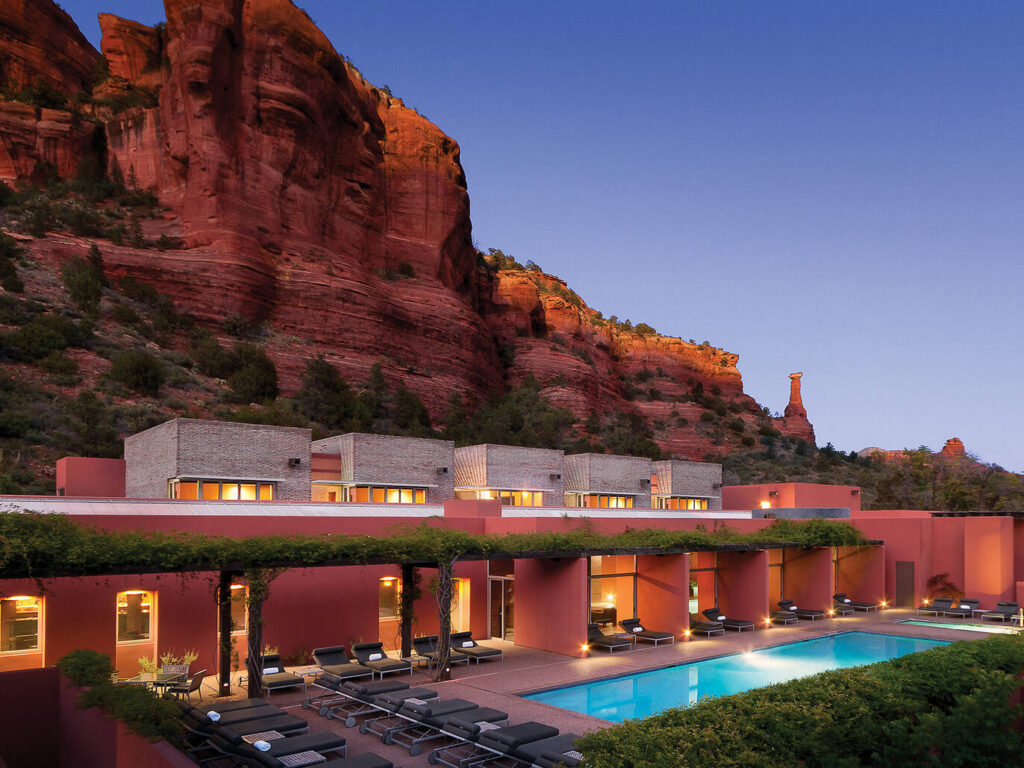
This evaluates how well a resort leverages its “Jurisdictional Geography.” A facility in the Sonoran Desert that uses locally sourced volcanic minerals is utilizing its “Place-Based Intelligence” more effectively than one using generic, globalized products.
Key Categories of Restorative Intervention
The American landscape offers diverse “Climatic Interventions” that dictate the tone and efficacy of the resort.
| Category | Primary Philosophy | Significant Trade-off | Strategic Utility |
| High-Desert (AZ/UT) | Aridity & Stillness. | Dehydration risk vs. Clarity. | Mental de-cluttering. |
| Coastal (CA/FL) | Fluidity & Vitality. | Humidity vs. Sensory Awakening. | Physical rejuvenation. |
| Mountain (CO/MT) | Resilience & Altitude. | Hypoxia risk vs. Fortitude. | Metabolic/Cardio reset. |
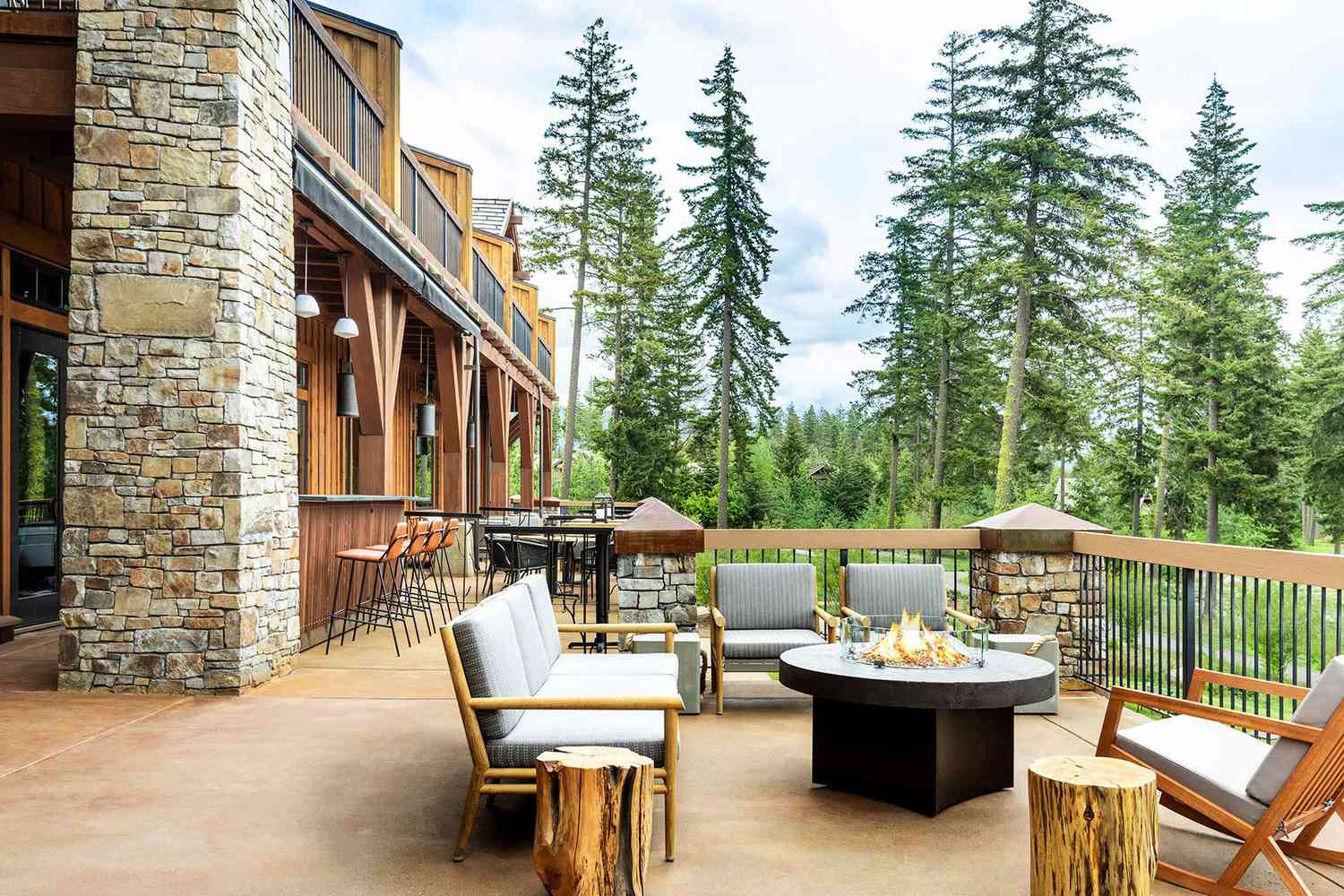
| Forest (NY/MA) | Grounding & Biophilia. | Seasonal damp vs. Calm. | Nervous system recovery. |
| Medical/Longevity | Data-driven & Clinical. | Clinical feel vs. Relaxation. | Performance optimization. |
| Spiritual/Somatic | Lineage & Philosophy. | Emotional labor vs. Comfort. | Life-transition management. |
Detailed Real-World Scenarios and Decision Logic
The “Cognitive Overload” Reset
A 45-year-old software executive is experiencing “Hurry Sickness” and shallow breathing.
-
The Decision Logic: Choosing a “Silent-Focus” forest resort in the Berkshires over a high-tech “Bio-Hacker” center in Miami.
-
Analysis: The executive already lives in a data-rich environment. Adding more “metrics” will only increase the cognitive load. They need “Sensory Renunciation” to allow the brain’s “Default Mode Network” to reset.
-
Outcome: Restoration of “Strategic Perspective” through forced digital and verbal isolation.
The “Metabolic Stagnation” Triage
An individual suffering from persistent fatigue and loss of muscle tone after a decade of corporate travel.
-
The Decision Point: A “High-Intensity Functional” ranch in Malibu.
-
Failure Mode: Choosing a “Relaxation-Only” spa in Florida.
-
Analysis: Relaxation will not fix “Metabolic Inflexibility.” This participant needs a “Hormetic Reset” characterized by early wake times, precision nutrition, and sustained movement.
Planning, Cost, and Resource Dynamics
The “Economic Reality” of luxury wellness is that “Uninterrupted Attention” from an expert is the most expensive commodity.
Investment Tiers for American Wellness Resorts (2026)
| Tier | Weekly Investment | Primary Value Driver | Operational Context |
| The Boutique | $3,500 – $6,500 | Small groups (10-15). | High-quality community. |
| The Flagship | $9,000 – $18,000 | Multi-modal; Professional teams. | Systemic health resets. |
| The Medical | $25,000 – $50,000+ | Genomic labs; Specialist MDs. | Longevity & Performance. |
| The Urban Day | $500 – $1,500 | Accessibility; Tech-enabled. | Acute symptom relief. |
Tools, Strategies, and Support Systems
To maximize the ROI of the best wellness resorts in the United States, a practitioner should deploy a “Systemic Stack”:
-
The “Pre-Arrival” Taper: Reducing caffeine, sugar, and screen-time 7 days before arrival to prevent “Withdrawal Headaches” from interfering with the first 48 hours.
-
Analog Journaling: Using a physical notebook to record “Somatic Insights”—the specific physical sensations that occur during practice, which are often lost when using digital devices.
-
The “Post-Resort” Buffer: Scheduling a “Zero-Day” at home before returning to work to allow the “Neurological Gains” to solidify.
-
Baseline Bio-Metrics: Conducting a blood panel and HRV check 30 days before arrival to have a data-driven comparison point.
-
Pedagogical Inquiry: Requesting a 1:1 postural or nutritional assessment on Day 1 to identify the “Primary Compensations” your body makes during the day.
-
Digital Renunciation: Utilizing a “Lock-Box” for mobile devices for the duration of the stay to ensure “Dopaminergic Recalibration.”
Risk Landscape and Failure Modes
-
The “Catharsis Trap”: Confusing a massive emotional release with long-term healing. Without an “Integration Plan,” the catharsis is merely temporary “Psychological Theater.”
-
“Hormetic Overrun”: Engaging in too much cold exposure or fasting for a body that is already in “Adrenal Exhaustion,” leading to a deeper systemic crash.
-
The “Spiritual-Bypass” Mode: Using the luxury environment to ignore genuine psychological issues rather than using the silence to investigate them.
-
“Wellness Washing”: Selecting a resort that uses the term “Wellness” as a marketing tag while lacking the certified clinical or pedagogical staff to deliver results.
Governance, Maintenance, and Long-Term Adaptation
A flagship resort experience is a “Calibration Event,” not a permanent fix. Long-term success requires a “Governance Protocol” at home.
-
The “90-Day Habit Review”: Assessing which 10% of the resort’s habits have survived the return to “Default Reality.” If zero, the resort was merely a vacation.
-
Adjustment Triggers: If sleep latency increases for more than three days, it is a trigger to deploy the specific breathing or thermal protocol learned at the resort.
-
Checklist for Long-Term Vitality:
-
Is my “Sacred Space” at home still free of digital clutter?
-
Am I practicing “Ujjayi” breath during high-stress emails?
-
Have I scheduled my “Quarterly Calibration” (Mini-Retreat)?
-
Measurement, Tracking, and Evaluation
How do you measure the efficacy of a high-end wellness experience?
-
Leading Indicators: HRV stability; improved “Cognitive Flexibility”; reduction in “Reactive Impulses” during conflict.
-
Qualitative Signals: A shift in internal monologue from “What must I do?” to “How shall I respond?”; a restored sense of “Perspective” during minor crises.
-
Documentation Examples: The “Somatic Report”—a quarterly summary of your physical and mental baselines compared to your “Resort-High.”
Common Misconceptions and Oversimplifications
-
“Wellness is Only for the Stressed”: False. The elite use these resorts for “Preventative Maintenance” to ensure they never reach a state of burnout.
-
“Luxury Means Better Results”: False. A $500-a-night forest cabin may be more effective than a $3,000-a-night spa if the goal is nervous system recovery.
-
“It’s Only About Stretching/Massages”: False. Modern wellness is “Neurological Training” that happens to use the body as its medium.
-
“I Need to Be Fit Before I Go”: False. A top resort is the best place to start because the high staff-to-guest ratio prevents the formation of bad habits.
-
“It’s Self-Indulgent”: False. Managing your “Nervous System Health” makes you a more effective and less reactive leader and partner.
-
“One Week Will Fix Ten Years”: False. A week is a “System Update”; the “Hardware Repair” happens in the six months of integration following the event.
Conclusion
The architecture of a well-lived life requires periodic withdrawals into environments of “High-Integrative Silence.” By engaging with the best wellness resorts in the United States as institutional partners in your long-term health governance, you move beyond the “Sick-Care” cycle into a state of “Sovereign Flourishing.” Success in 2026 is found in the “Analytical Patience” to choose a sanctuary that treats the body and mind as an indivisible system. Ultimately, the best experience is the one that makes itself obsolete by teaching you how to maintain your own “Internal Sanctuary” in a chaotic world.