Best Wellness Retreats for Stress: 2026 Clinical Recovery Guide
The conceptualization of psychological and physiological recovery has undergone a radical shift as the global “allostatic load,” the wear and tear on the body that accumulates as an individual is exposed to repeated or chronic stress, reaches an industrial peak. In 2026, the notion of a vacation as a panacea for burnout is increasingly viewed as an outdated, surface-level remedy. A true intervention requires more than a temporary removal of the individual from their environment; it necessitates a structured recalibration of the nervous system.
Navigating the landscape of high-acuity recovery requires an analytical departure from “leisure-centric” tourism. For the modern professional or caregiver, the value of a retreat is no longer measured by the luxury of its linens, but by its “Interventional Rigor.” This refers to the facility’s ability to coordinate disparate modalities such as neurofeedback, somatic experiencing, and nutritional psychiatry into a coherent trajectory that addresses the molecular and cognitive signatures of chronic pressure.
The move toward “Biological Resilience” marks a maturation of the wellness sector. We are witnessing the rise of the “Clinical Sanctuary,” where the objective is to down-regulate the sympathetic nervous system while simultaneously up-regulating the parasympathetic “rest-and-digest” pathways. Establishing a definitive foundation for selecting the right environment involves an intellectual audit of the “Biological Mechanisms” being targeted. This editorial reference provides the scaffolding necessary to evaluate these intensive programs, ensuring that the chosen intervention facilitates a genuine systemic shift rather than a transient reduction in perceived tension.
Understanding “best wellness retreats for stress.”
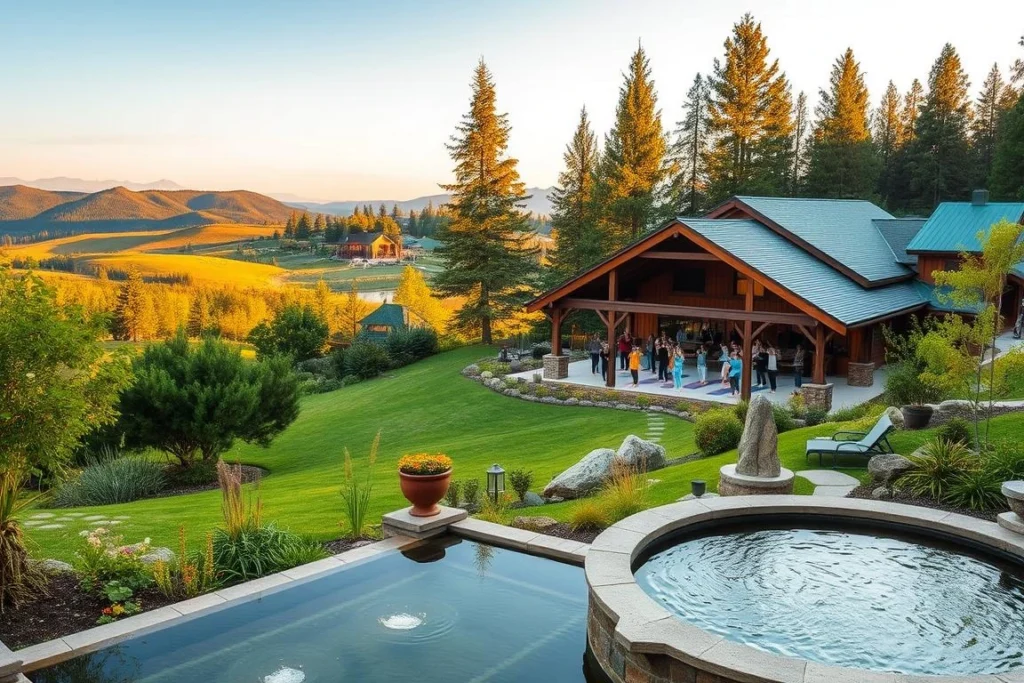
To identify the best wellness retreats for stress, one must first dismantle the “Relaxation Fallacy,” the belief that stress is merely a feeling that can be massaged away. In a professional editorial context, a top-tier stress retreat is defined by its “Autonomic Accuracy.” It recognizes that chronic stress causes structural changes in the brain’s amygdala and prefrontal cortex, requiring targeted, evidence-based neuro-somatic work to reverse.
Multi-Perspective Explanation
From a Neuro-Psychological Perspective, these retreats function as “Cognitive De-loading” cycles. They remove the “Executive Tax” of daily decision-making to allow the brain’s default mode network (DMN) to reset. Operationally, the value lies in “Environmental Isolation,” not just from people, but from the digital electromagnetic frequencies and blue-light saturation that disrupt circadian cortisol rhythms. From a Physiological Perspective, the hallmark of a high-authority plan is “Adrenal Support,” ensuring that the body is not just resting, but actively replenishing the micronutrients—such as magnesium, B-vitamins, and vitamin C—that are depleted during prolonged periods of high-arousal.
Oversimplification Risks
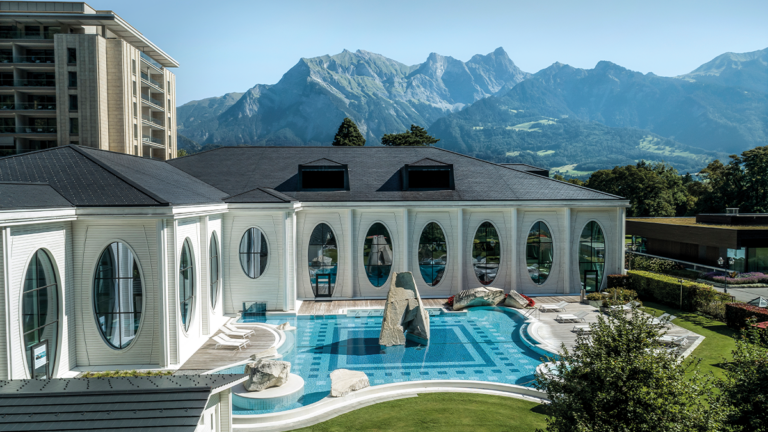
The primary risk in this sector is “The Aesthetic Blur.” Many luxury hotels market “wellness” through infinity pools and generic spa menus. This is an oversimplification that fails to address “Neuro-Endocrine Fatigue.” If a retreat offers high-intensity exercise and late-night socializing, it may actually increase the guest’s cortisol levels despite the beautiful setting. Furthermore, relying on “Standardized Mindfulness” without a personalized intake audit is a strategic error; an individual with high-arousal anxiety requires a vastly different somatic architecture than one with “Functional Freeze” or depressive burnout.
Contextual Background: The Evolution of Cortisol Management
The history of stress recovery has moved from the “Rest Cures” of the late 19th century—which often involved enforced isolation and calorie-dense diets—to the “Bio-Regulative Systems” of 2026. Initially, stress was viewed as a character flaw or a temporary social malaise. By the mid-20th century, the “Spa Resort” emerged as a destination for the elite to “unwind,” but it lacked a clinical understanding of the HPA (Hypothalamic-Pituitary-Adrenal) axis.
By 2026, the sectorwill haves matured into “Neurological Pre-habilitation.” The leading retreats now focus on “Vagal Tone” and “Interoceptive Awareness.” We have transitioned from the generic “Stress Management” to specific “Nervous System Architecture.” This evolution reflects a broader societal shift toward “Longevity Science,” where chronic stress is recognized as a primary driver of accelerated biological aging and systemic inflammation.
Conceptual Frameworks for Nervous System Regulation
Strategic practitioners utilize specific mental models to evaluate the “Institutional Rigor” of a stress intervention.
1. The “Window of Tolerance” Model
This model posits that every individual has a specific range of arousal where they can function and process emotions effectively. A top-tier retreat audit where the guest sits—whether in hyper-arousal (anxiety/rage) or hypo-arousal (numbness/dissociation)—and uses specific “Titration” techniques to bring them back into their functional window.
2. The “Allostatic Load” Framework
In this framework, the body is viewed as a vessel with a finite capacity for stress. A retreat is not just about “feeling better”; it is about “Siphoning the Vessel.” This involves addressing the “Total Toxic Load,” including emotional baggage, environmental pollutants, and inflammatory diets that contribute to the cumulative physiological burden.
3. The “Polyvagal” Logic
This model focuses on the vagus nerve as the “Master Switch” for the nervous system. It asserts that deep recovery cannot happen until the “Social Engagement System” is activated. Therefore, the best retreats prioritize environments of “Perceived Safety” and utilize somatic tools like choral singing, rhythmic breathing, or specialized touch to flip the switch from “Survival” to “Restoration.”
Key Categories of Stress Interventions and Trade-offs
Navigating the global market involves matching the “Stress Profile” of the individual to the “Interventional Bias” of the retreat.
| Category | Primary Mechanism | Significant Trade-off | Ideal Use Case |
| Neuro-Clinical | Neurofeedback; Biofeedback. | Can feel “sterile” or clinical. | High-performance burnout. |
| Somatic/Body-Based | Trauma-informed yoga; TRE. | Requires high emotional labor. | Somaticized stress/Body pain. |
| Silent/Monastic | Sensory deprivation; Silence. | Extremely challenging for some. | Cognitive over-stimulation. |
| Integrative Medical | Lab-led; Supplement focus. | High daily capsule burden. | Adrenal fatigue; Hormonal shift. |
| Nature-Immersion | Forest bathing; grounding. | Dependent on weather/location. | Urban/Digital fatigue. |
| Psychotherapeutic | Intensive CBT/DBT cycles. | Mentally exhausting. | High-conflict/Life transition. |
Detailed Real-World Scenarios and Decision Logic
The “High-Arousal” Executive
A 45-year-old with chronic insomnia, hypertension, and inability to “switch off.”
-
The Decision Logic: Selection of a “Neuro-Clinical” plan that utilizes HRV (Heart Rate Variability) training and warm hydrotherapy.
-
Analysis: Aggressive nature hiking or “adventurous” wellness would likely spike their adrenaline. They need “Down-Regulation” through technology and heat.
-
Outcome: The sleep cycle stabilizes because the “Plan” prioritized “Neural Braking” over physical exhaustion.
The “Functional Freeze” Caregiver
An individual experiencing profound numbness, brain fog, and “Executive Dysfunction” after years of caring for others.
-
The Decision Point: A silent meditation retreat vs. a “Somatic/Body-Based” retreat.
-
Outcome: The individual chooses the Somatic retreat. In a “Freeze” state, silence can be re-traumatizing. They need “Safe Movement” and social connection to reanimate their system.
Planning, Cost, and Resource Dynamics
The “Economic Floor” of a stress retreat is determined by the “Expert-to-Guest Ratio” and the “Diagnostic Sophistication” of the facility.
Stress Recovery Price Tiers (2026 Estimates)
| Tier Level | Weekly Cost (Est.) | Diagnostic Depth | Primary Resource |
| High-Acuity Medical | $8,000 – $18,000 | Cortisol/DNA/Neuro-mapping. | MDs; Neurologists. |
| Boutique Somatic | $4,500 – $7,500 | HRV Tracking; Body Scan. | Somatic Practitioners. |
| Standard Holistic | $2,000 – $4,000 | Subjective Assessment. | Yoga/Meditation Teachers. |
| Self-Managed Nature | $1,000 – $2,000 | None. | Environment/Facilities. |
Tools, Strategies, and Support Systems
A rigorous vetting strategy requires a “Validation Stack” to ensure the retreat is “Neuro-Physiologically Sound”:
-
Heart Rate Variability (HRV) Biofeedback: Using real-time data to teach the guest how to consciously shift their autonomic state.
-
Cranial Electrotherapy Stimulation (CES): Utilizing low-level current to balance neurotransmitters like serotonin and dopamine.
-
Flotation Therapy: Utilizing sensory deprivation to “Quiet” the parietal lobe and reduce the brain’s sensory processing load.
-
Anti-Inflammatory Nutritional Psychiatry: A diet high in Omega-3s and polyphenols to reduce “Neuro-inflammation.”
-
Vagal Nerve Stimulation (VNS): Both manual (breathwork) and technological tools to increase “Parasympathetic Tone.”
-
Dark Therapy: Spending specific hours in total darkness to reset the pineal gland and melatonin production.
-
Forest Bathing (Shinrin-yoku): Utilizing phytoncides from trees to naturally lower blood pressure and boost natural killer (NK) cells.
Risk Landscape and Failure Modes
The “Taxonomy of Stress Risk” includes:
-
The “Catharsis Failure”: Pushing a guest toward an emotional “breakthrough” before they have the “Internal Resourcing” to handle it, leading to a nervous breakdown.
-
The “Re-Entry Shock”: A retreat that provides a “perfect bubble” but fails to provide “Home-Integration” tools, causing a massive cortisol spike the moment the guest lands at the airport.
-
The “Mineral Depletion” Mode: Using excessive sweating (saunas) or fasting without replacing electrolytes, leading to increased heart palpitations and anxiety.
-
The “Spiritual Bypassing” Mode: Using “positive thinking” or meditation to ignore a genuine clinical depression or medical issue.
Governance, Maintenance, and Long-Term Adaptation
A successful retreat is a “Systemic Pre-habilitation” event.
-
The “Digital Ramp-Down”: Removing social media 48 hours before arrival to avoid “Notification Withdrawal” during the first two days of the retreat.
-
The “Home-Office Remediation” Plan: A 14-day schedule that slowly reintroduces work emails to prevent “Adrenal Shock.”
-
Governance Checklist:
-
Has the “Environmental Trigger” list been created for the home environment?
-
Is there a “Micro-Somatic” tool (e.g., 2-minute breathwork) for high-stress meetings?
-
Has the “Sleep Sanctuary” at home been audited for light and EMF?
-
Is a “Quarterly De-load” week scheduled into the work calendar?
-
Measurement, Tracking, and Evaluation
How do you measure the “Autonomic ROI” of a stress immersion?
-
Leading Indicators: “HRV Recovery” (a higher score indicates better resilience); “Resting Heart Rate” (RHR) reduction; “Sleep Architecture” (increased REM and Deep Sleep).
-
Qualitative Signals: “Cognitive Fluidity”—the ability to solve problems without feeling overwhelmed; disappearance of “Startle Response.”
-
Documentation Examples: The “Stress Audit”—a pre- and post-retreat blood panel comparing DHEA-S (the “anti-aging” hormone) to Cortisol ratios.
Common Misconceptions and Oversimplifications
-
“You Just Need a Good Sleep”: False. Burnout is a “Cellular Energy Crisis” that requires more than passive rest; it requires mitochondrial support.
-
“Stress is All in Your Head”: False. Stress is a “Whole-Body Event” that affects gut permeability, bone density, and immune function.
-
“Meditation is the Only Answer”: False. For some, sitting in silence increases “Internal Noise.” Movement or art can be more effective.
-
“Feeling Relaxed Means You’re Healed”: False. Feeling relaxed is a state; “Resilience” is the ability to return to that state after a challenge.
-
“The Best Retreats are the Most Expensive”: False. The best retreats are those with the highest “Clinical Congruence” with your specific stress type.
-
“You Can Fix Burnout in a Weekend”: False. Chronic burnout typically requires a 6-to-12-month “Recovery Arc,” for which a retreat is merely the catalyst.
Ethical and Practical Considerations
In 2026, the primary ethical challenge in the best wellness retreats for stress space is “Emotional Privacy.” As retreats collect more biometric and psychological data, “Data Sovereignty” becomes a critical concern. Practically, a patient must consider the “Sustainability” of their results. If the individual returns to a high-pressure corporate culture without “Boundaries Governance,” the benefits will be lost. The ethical retreat provider focuses on “Self-Regulation Mastery”—teaching the guest how to be the “CEO of their own Nervous System.”
Conclusion
The architecture of mental and physical resilience is built on “Autonomic Intelligence.” By mastering the selection of the most rigorous stress interventions, you move from being a “Victim of Circumstance” to an “Architect of Calm.” Success in 2026 is found in the “Deep Systemic Stability” that persists long after the retreat has ended. Ultimately, the best retreat is the one that provides the education and the physiological baseline to live “Powerfully” in a “High-Pressure” world.